
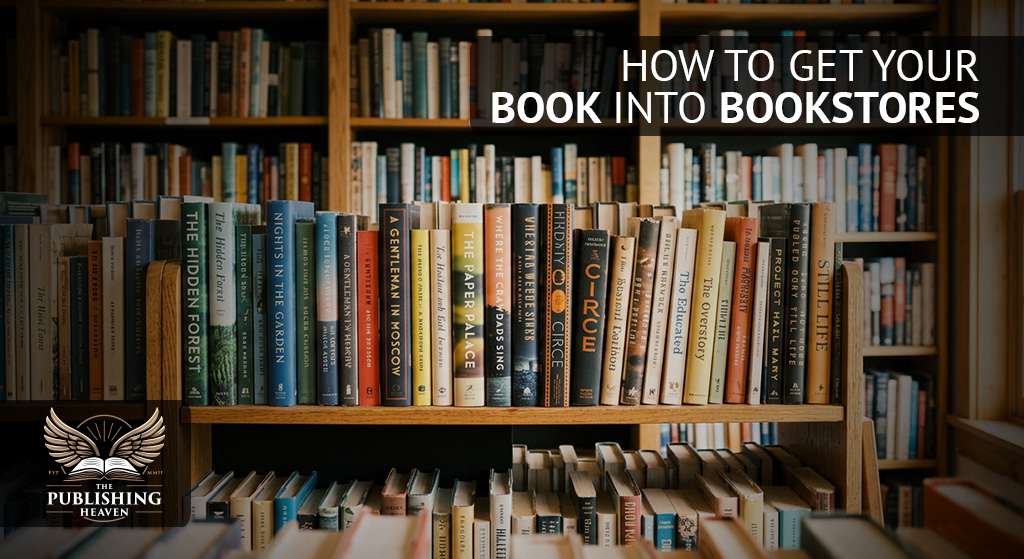
You’ve written a book. You’ve poured months—maybe years—into it. Now comes the question that separates hobby authors from professionals:
How do you actually get your book onto bookstore shelves?
Not just online. Not just on your own website. But in real, physical bookstores—where readers browse, discover, and buy impulsively.
The truth is, getting your book into bookstores isn’t about luck. It’s about understanding how the book industry works, positioning your book correctly, and approaching retailers like a professional partner—not just an author looking for exposure.
This guide will walk you through exactly how to get your book into bookstores, step by step, from foundational requirements to advanced distribution strategies.
Understanding How Bookstores Decide What to Stock
Before you pitch your book, you need to think like a bookstore buyer.
Bookstores—whether independent shops or chains like Barnes & Noble—don’t stock books just because they’re “good.” They stock books that are:
- Likely to sell quickly
- Easy to order and return
- Professionally produced
- Supported by marketing demand
What Bookstores Actually Care About
At a practical level, bookstores evaluate books based on:
- Distribution availability (Can they order it easily?)
- Returnability (Can they send it back if it doesn’t sell?)
- Discount margins (Do they make enough profit?)
- Market demand (Will customers ask for it?)
If your book doesn’t check these boxes, it won’t matter how great the writing is.
Mini takeaway:
Getting into bookstores is less about convincing them emotionally—and more about removing their risk.
The Three Main Paths to Getting Into Bookstores
There’s no single route. Instead, authors typically follow one of these three approaches:
1. Traditional Publishing Route
If you land a deal with a traditional publisher, they handle distribution for you.
Major publishers already have relationships with distributors and retailers, so your book automatically becomes available to bookstores.
Pros:
- Built-in distribution network
- Higher credibility
- Easier bookstore access
Cons:
- Extremely competitive
- Less control
- Lower royalties
2. Self-Publishing + Distribution Platforms
Most modern authors go this route. The key is using professional distribution services like:
- IngramSpark
- Amazon KDP
While Amazon dominates online sales, IngramSpark is critical for bookstores because it connects your book to the global wholesale network used by retailers.
Important distinction:
- KDP = great for Amazon
- IngramSpark = essential for bookstores
3. Direct Outreach to Bookstores
You can approach bookstores yourself—especially independent ones.
This involves:
- Pitching your book
- Offering wholesale terms
- Possibly arranging consignment deals
This method requires effort but gives you direct access.
Step-by-Step: How to Get Your Book Into Bookstores
Let’s break down the exact process.
Step 1: Make Your Book Retail-Ready
Before you even think about pitching, your book must meet industry standards.
That includes:
- Professional editing (no exceptions)
- High-quality cover design
- Proper formatting (print-ready files)
- ISBN registration
A poorly produced book signals risk—and bookstores avoid risk.
Pro insight:
Your cover should look indistinguishable from traditionally published books. If it screams “self-published,” it won’t get stocked.
Step 2: Set Up Distribution Through IngramSpark
This is the most critical step for bookstore access.
When you publish through IngramSpark:
- Your book becomes available in the Ingram catalog
- Bookstores can order it like any other title
- It appears in their ordering systems automatically
Without this, most bookstores simply won’t consider your book.
Step 3: Offer Standard Wholesale Terms
Bookstores expect specific financial terms:
- Discount: 40%–55% off retail price
- Returnability: Must be enabled
If you don’t offer these, retailers have no incentive to carry your book.
Example:
If your book retails for $20:
- Bookstore buys it for ~$10–$12
- They sell it for $20
- Profit = ~$8–$10
Step 4: Build Local Demand First
Here’s where many authors fail.
They pitch bookstores before creating demand.
Instead, you should:
- Build an audience on social media
- Run local ads
- Get press coverage
- Host readings or events
When customers start asking for your book, bookstores pay attention.
Mini takeaway:
Bookstores respond to demand—not persuasion.
Step 5: Approach Independent Bookstores
Start small and local.
Independent bookstores are more flexible than chains.
When reaching out:
- Visit in person if possible
- Speak to the book buyer
- Bring a copy of your book
- Present a one-page sell sheet
What to Include in Your Pitch
Your pitch should feel professional and concise:
- Book title, genre, and summary
- ISBN and pricing
- Distribution details (IngramSpark)
- Wholesale terms
- Marketing efforts
You’re not just an author—you’re a supplier.
Step 6: Offer Consignment (If Needed)
If a bookstore is hesitant, offer consignment.
This means:
- They display your book
- You only get paid if it sells
While not ideal, it’s a great entry point.
Step 7: Expand to Regional and Chain Stores
Once you’ve proven sales locally, you can approach larger retailers.
Chains like Barnes & Noble typically require:
- Proven sales history
- Strong distribution
- Marketing support
You can also explore programs like local author placement.
Types of Bookstore Placement Options
Not all bookstore placements are the same. Understanding your options helps you choose the right strategy.
1. Wholesale Distribution
Your book is stocked through distributors like Ingram.
- Most scalable option
- Preferred by bookstores
- Requires standard terms
2. Consignment Deals
You place books directly in stores.
- Easier entry
- Higher risk for you
- Limited scalability
3. Author Events & Signings
Events can get your book stocked temporarily.
- Great for visibility
- Builds relationships
- Drives immediate sales
4. Local Author Programs
Many bookstores highlight local writers.
If you’re based in a specific region, this is a powerful angle.
Tools and Platforms That Help You Get Into Bookstores
To succeed, you need the right ecosystem.
Distribution Tools
- IngramSpark – essential for bookstore access
- Amazon KDP – supports online reach
Marketing Tools
- Email platforms (ConvertKit, Mailchimp)
- Social media ads
- Author websites
Industry Databases
- ISBN registries
- Book metadata systems
Accurate metadata increases discoverability in bookstore systems.
Real-World Example: From Unknown Author to Shelf Placement
Imagine this scenario:
A first-time author publishes a mystery novel.
Instead of immediately pitching bookstores, they:
- Launch through Amazon KDP
- Set up distribution via IngramSpark
- Build a local audience through Instagram and book clubs
- Generate 200+ local sales
When they approach a bookstore, they don’t say:
“Please carry my book.”
They say:
“My book has sold 200 copies locally, and readers are asking for it.”
That changes everything.
Common Mistakes to Avoid
Even talented authors get rejected for avoidable reasons.
1. Skipping Distribution Setup
If your book isn’t in Ingram’s system, most bookstores won’t even consider it.
2. Offering Low Discounts
Retailers won’t stock books that don’t make financial sense.
3. Poor Cover Design
First impressions matter more than you think.
4. No Marketing Plan
Bookstores expect you to drive traffic—not rely on them.
5. Pitching Too Early
Don’t approach stores before your book is fully ready and supported.
Mini takeaway:
Rejection is often not about your book—it’s about your positioning.
Advanced Strategies to Scale Bookstore Presence
Once you’ve mastered the basics, you can expand.
Build Relationships with Book Buyers
Consistency matters.
- Visit stores regularly
- Support their events
- Engage as a community member
Leverage Local Media
- Newspaper features
- Radio interviews
- Blog coverage
This builds credibility and demand.
Create a Sell Sheet That Converts
A professional sell sheet can make or break your pitch.
Include:
- High-quality visuals
- Strong hook
- Clear benefits
- Testimonials
Use Pre-Orders Strategically
If you can generate pre-orders, you create early demand signals that bookstores respect.
Why Most Authors Fail to Get Into Bookstores
Let’s be honest—most authors don’t make it into bookstores.
Why?
Because they treat it like a creative goal instead of a business process.
They:
- Skip distribution
- Ignore pricing strategy
- Avoid marketing
- Expect bookstores to take the risk
But bookstores are businesses—not gatekeepers.
Once you understand that, everything changes.
Conclusion: Turning Your Book Into a Retail Product
Getting your book into bookstores isn’t magic—it’s strategy.
When you:
- Set up proper distribution
- Offer industry-standard terms
- Build real demand
- Approach bookstores professionally
…you stop being “just another author” and become a viable partner.
So ask yourself:
Are you presenting your book as a product bookstores can sell—or just a passion project?
That shift in mindset is what gets books onto shelves.
Frequently Asked Questions (FAQ)
1. Can self-published books get into bookstores?
Yes, absolutely. With platforms like IngramSpark, self-published books can be ordered by bookstores worldwide—if they meet industry standards.
2. Do bookstores accept books from new authors?
Yes, especially independent bookstores. However, they prefer authors who demonstrate demand and professionalism.
3. Do I need an agent to get into bookstores?
No. Agents help with traditional publishing, but self-published authors can access bookstores through distribution platforms.
4. How do I convince a bookstore to stock my book?
Focus on reducing their risk:
- Offer wholesale discounts
- Enable returns
- Show proof of demand
5. What is consignment in bookstores?
Consignment means the bookstore only pays you after the book sells. It’s a low-risk option for them, but higher risk for you.
6. Can I get my book into big chains like Barnes & Noble?
Yes, but it’s harder. Chains like Barnes & Noble require proven sales, strong distribution, and marketing support.
7. How long does it take to get into bookstores?
It can take weeks to months, depending on:
- Your preparation
- Demand for your book
- Relationships with bookstores
